March 19, 2026
Embarking on a kitchen remodeling project can significantly enhance the functionality, aesthetics, and overall value of a home. As one of the most utilized spaces in a residence, a modernized kitchen provides improved efficiency tailored to the needs of the household. Understanding the remodeling process is crucial for setting realistic expectations and ensuring smooth progression through each phase.
Homeowners choose to remodel their kitchens for many compelling reasons. As families grow and cooking habits evolve, the need for a more efficient and enjoyable space becomes a priority. With careful planning and execution, a kitchen remodel leads to a rewarding transformation that elevates daily life.
Plan and Design Your Kitchen Remodel
Setting a realistic budget is the cornerstone of any successful kitchen remodeling project. Before any decisions are made, homeowners should conduct a thorough assessment of their current kitchen's condition and identify which changes are truly necessary versus which are simply desirable. Homeowners should prioritize their needs and wants, distinguishing necessary upgrades from optional enhancements. This helps allocate resources to essential areas while maintaining flexibility for unforeseen expenses that commonly arise during renovation work. Regularly revisiting the budget as the project progresses ensures that spending stays on track and that any adjustments are made intentionally rather than reactively. Transparency with contractors and designers about financial constraints is vital, as detailed agreements and itemized estimates keep all parties aligned throughout the process.
The expertise brought by professionals is indispensable when coordinating a kitchen remodel. The right team can anticipate challenges, propose creative solutions, and ensure that every phase of the project meets both design and safety standards. Selecting skilled contractors and designers can greatly influence the quality and timeliness of the finished project. Initial research should include reviews, referrals, and portfolio assessments to ensure the right fit for the specific scope and style of the remodel. Interviewing multiple candidates before making a decision allows homeowners to compare communication styles, experience levels, and overall compatibility. Maintaining open communication throughout the project ensures any issues or changes are swiftly addressed, fostering a collaborative environment that reflects the homeowner's vision.
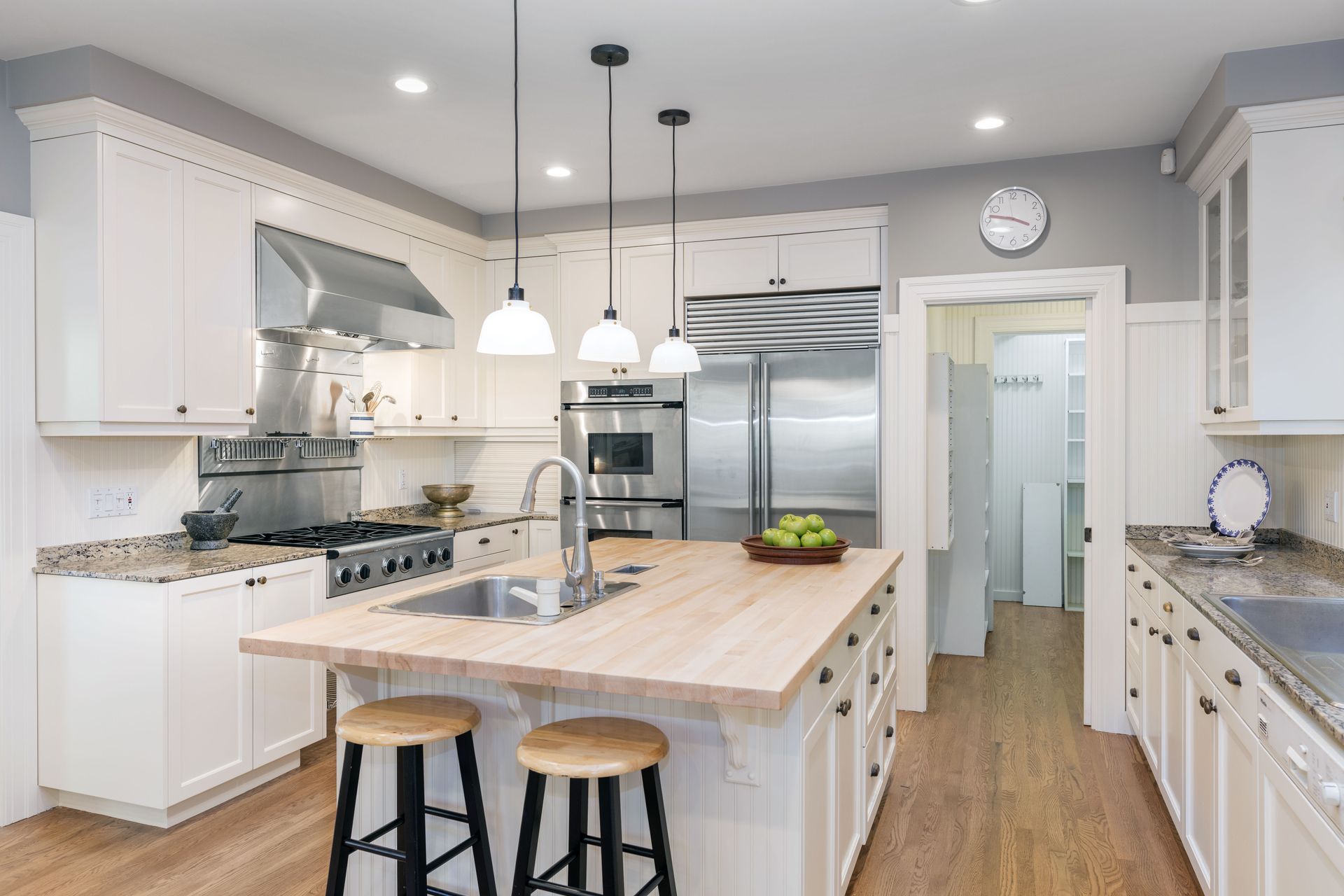
Crafting a kitchen layout that maximizes space and workflow efficiency is a critical aspect of the design phase. The arrangement of appliances, work surfaces, and storage should support a natural flow through the space, minimizing unnecessary movement during meal preparation. Aesthetic preferences should complement functional design, blending style with practicality through thoughtful choices in cabinetry, lighting, and countertops. Each of these elements contributes to both the visual character and the day-to-day usability of the finished kitchen. Incorporating modern design trends — such as smart appliances, sustainable materials, and energy-efficient installations — further elevates both the functionality and appeal of the finished space, ensuring the remodel remains relevant and valuable for years to come.
Prepare for and Execute Demolition
Proper preparation is crucial before commencing demolition of the existing kitchen. Homeowners should remove personal items, isolate the kitchen area with plastic sheeting, and cover the flooring in surrounding rooms to prevent the spread of debris. Creating a temporary kitchen setup can ease the transition during this disruptive phase and keep daily routines running smoothly.
According to RubyHome, kitchen remodeling projects can yield an ROI of up to 113%, making them one of the most financially rewarding home improvement investments available. Despite this strong return, the demolition phase requires patience and flexibility. Homeowners should have a clear understanding of the expected timeline and maintain regular communication with contractors to keep milestones on track.
Safety is paramount during demolition, both for workers and household members. Contractors should enforce strict safety protocols, including appropriate personal protective equipment and proper ventilation, to reduce dust buildup. Managing construction waste efficiently is equally important — recycling salvageable materials and keeping the worksite clean support smoother transitions between demolition and subsequent construction phases.
Complete Plumbing and Electrical Work
Properly scheduling plumbing and electrical work is critical to maintaining project progress. These systems are deeply interconnected, meaning that delays in one area can create a ripple effect across the entire renovation timeline. Early involvement of plumbers and electricians in the design phase helps streamline coordination between trades and supports realistic scheduling decisions. When these professionals understand the full scope of the project from the start, they can flag potential conflicts before work begins and sequence their tasks more efficiently. Building in contingency time allows for unforeseen delays without disrupting subsequent phases of the kitchen remodeling project.
Rerouting pipes and wiring is a frequent necessity when modifying a kitchen layout. Moving appliances, adding an island, or reconfiguring the workspace often means the existing infrastructure no longer aligns with the new design. Pipes transporting water and gas may require relocation to accommodate appliance configuration changes, while wiring must be updated to meet the demands of the new kitchen setup. This process can also reveal aging or deteriorated infrastructure that needs to be addressed before new systems are installed. Working with experienced professionals ensures these adjustments align with both the design plan and applicable safety codes, reducing the risk of complications down the line.
Inspections play a pivotal role in achieving code compliance throughout this phase. Rather than waiting until the end of the project, scheduling inspections at key milestones allows issues to be identified and corrected before they become larger problems. Regular inspections by qualified professionals verify that all plumbing and electrical work adheres to local regulations, protecting the homeowner's investment and assuring the integrity of the renovated space. Non-compliance can lead to costly rework, project delays, or safety hazards that undermine the entire renovation. Engaging contractors who are well-versed in local building codes helps facilitate a smooth and compliant transition into the final stages of the remodel.
Install Cabinets, Countertops, and Finishing Touches
Precision in measurement and preparation is essential when undertaking cabinet and countertop installations. Accurate dimensions help avoid costly mistakes and ensure a seamless fit within the designated space. Collaboration with design professionals ensures that all components align with both aesthetic goals and practical needs before installation begins.
Choosing the right type of cabinets is a pivotal decision within any kitchen remodeling project, as cabinetry greatly influences the aesthetic and functional transformation of the space. Popular materials range from classic solid wood to modern laminate, each offering distinct visual and practical benefits. Countertop selection is equally important — options such as granite, quartz, marble, and laminate offer diverse characteristics suited to various lifestyles, and professional installation ensures a flawless, long-lasting finish.
The installation of hardware and finishing touches adds the final elements of character to the kitchen. Choices in cabinet handles, pulls, trim moldings, and under-cabinet lighting contribute layers of sophistication that reflect the homeowner's personality. These details represent the culmination of the kitchen remodeling journey, transforming the space into a personalized, welcoming environment that combines comfort, function, and style.
A kitchen remodeling project is a significant undertaking that requires thoughtful planning, skilled professionals, and clear communication at every stage. From the initial design phase through demolition, plumbing, electrical work, and final installations, each step builds toward a finished kitchen that enhances both daily living and long-term home value.
If you are ready to start your kitchen remodeling project, contact us at Loti Contracting LLC today. We will help you navigate every phase of the process with confidence, bringing your vision to life with quality craftsmanship and dedicated service.