November 17, 2026
Kitchens are widely regarded as the heart of a home, and remodeling them can dramatically transform both daily living and overall property appeal. Among the many elements involved in a kitchen redesign, cabinetry plays a central role because of its visual prominence and structural utility. From shaping interior aesthetics and maximizing storage to influencing resale value, sustainability, budgeting, and construction timelines, cabinetry touches nearly every phase of a renovation. Understanding these interconnected factors helps homeowners make strategic choices that elevate everyday functionality, reflect personal taste, and protect long-term financial value while aligning seamlessly with current design trends and future resale potential.
1. Enhancing Kitchen Aesthetics
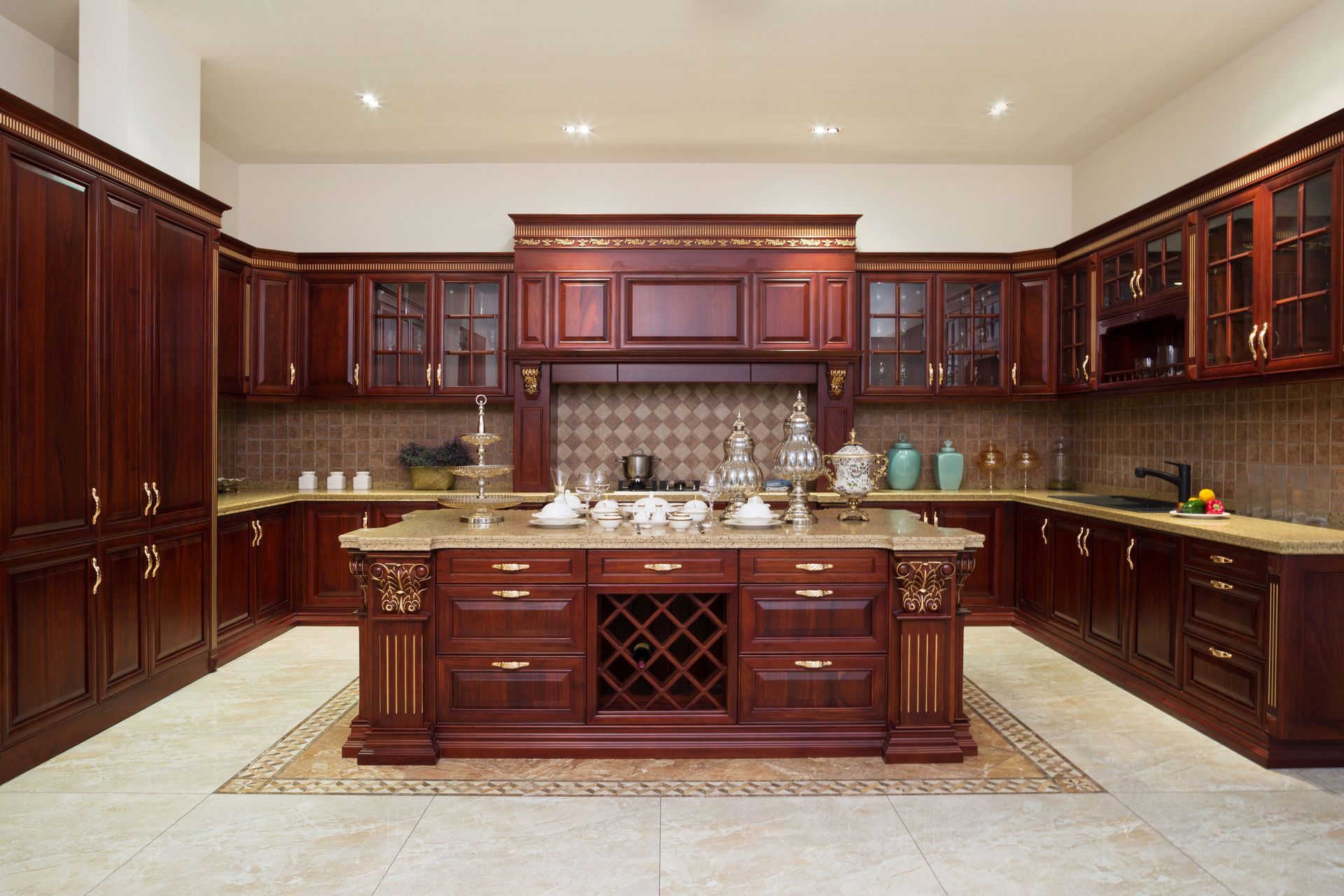
Cabinet design sets the visual tone for the entire kitchen, establishing whether the space feels sleek and contemporary, warm and transitional, or richly traditional. Door profiles, clean lines, proportions, and functional hardware such as handles and pulls either harmonize with or intentionally contrast against countertops, backsplashes, and appliances. Thoughtful details like classic shaker doors crafted in modern materials bridge the gap between timeless craftsmanship and contemporary simplicity. Even subtle choices such as crown molding, furniture-style toe kicks, and glass-panel inserts elevate visual depth. By balancing traditional warmth with streamlined silhouettes, homeowners ensure their kitchen cabinets complement the surrounding architecture of the house rather than feeling disconnected from adjacent living spaces or outdated within a few short years.
2. Selecting Durable Materials and Finishes
The materials and surface finishes chosen for cabinetry define both tactile quality and long-term resilience under heavy daily use. Solid hardwoods bring organic warmth and enduring elegance, whereas engineered composites such as medium-density fiberboard provide dimensional stability, smooth painted surfaces, and cost-effective versatility. Metal accents and glass-front uppers introduce sleek, contemporary flair. Surface finishes further refine the room's ambiance: high-gloss coatings reflect natural and artificial light to make compact layouts feel expansive, matte finishes deliver understated sophistication for minimalist interiors, and distressed or antique textures lend heirloom charm to rustic or vintage-inspired kitchen cabinets while standing up reliably to everyday wear and moisture.
3. Incorporating Trending Color Palettes
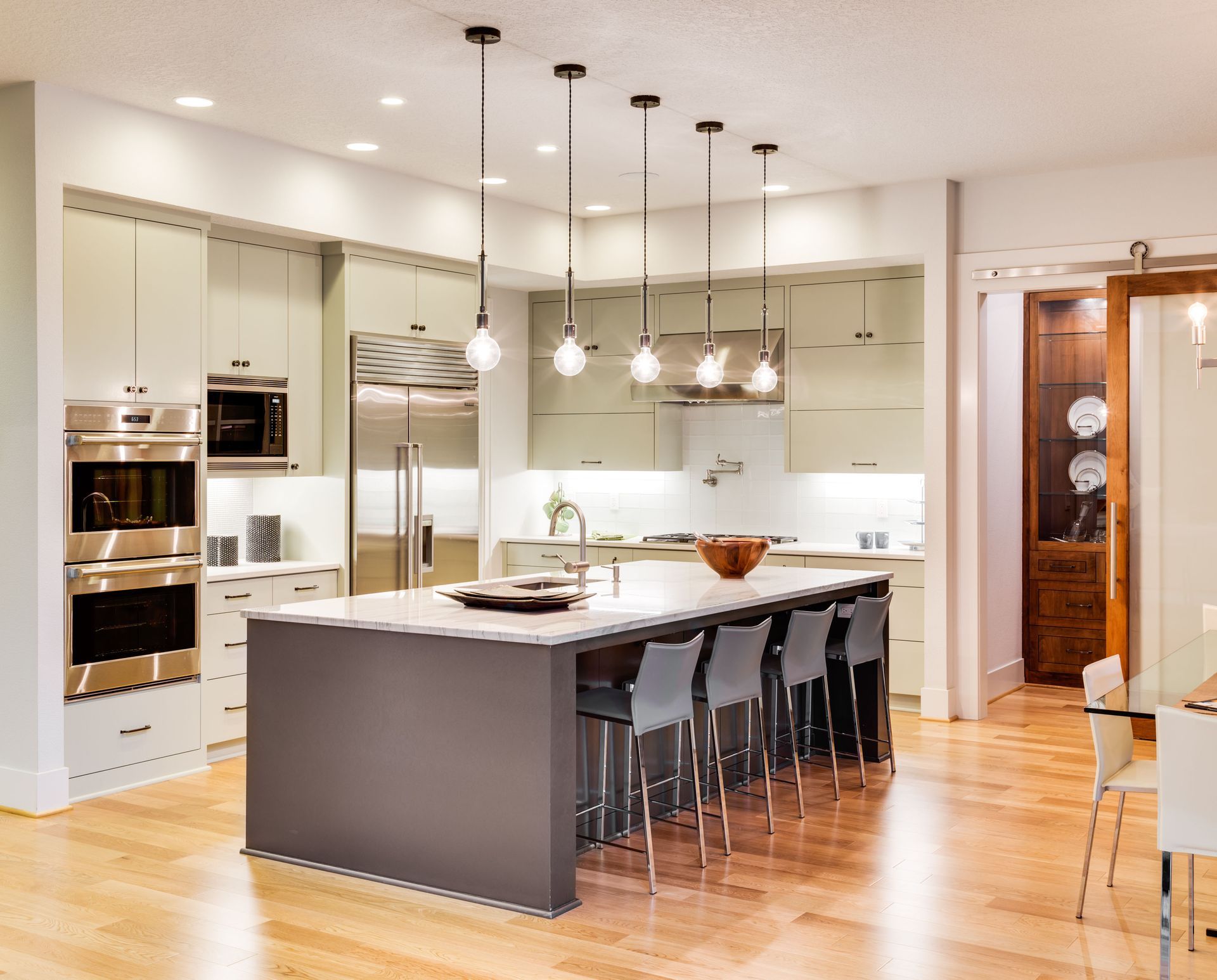
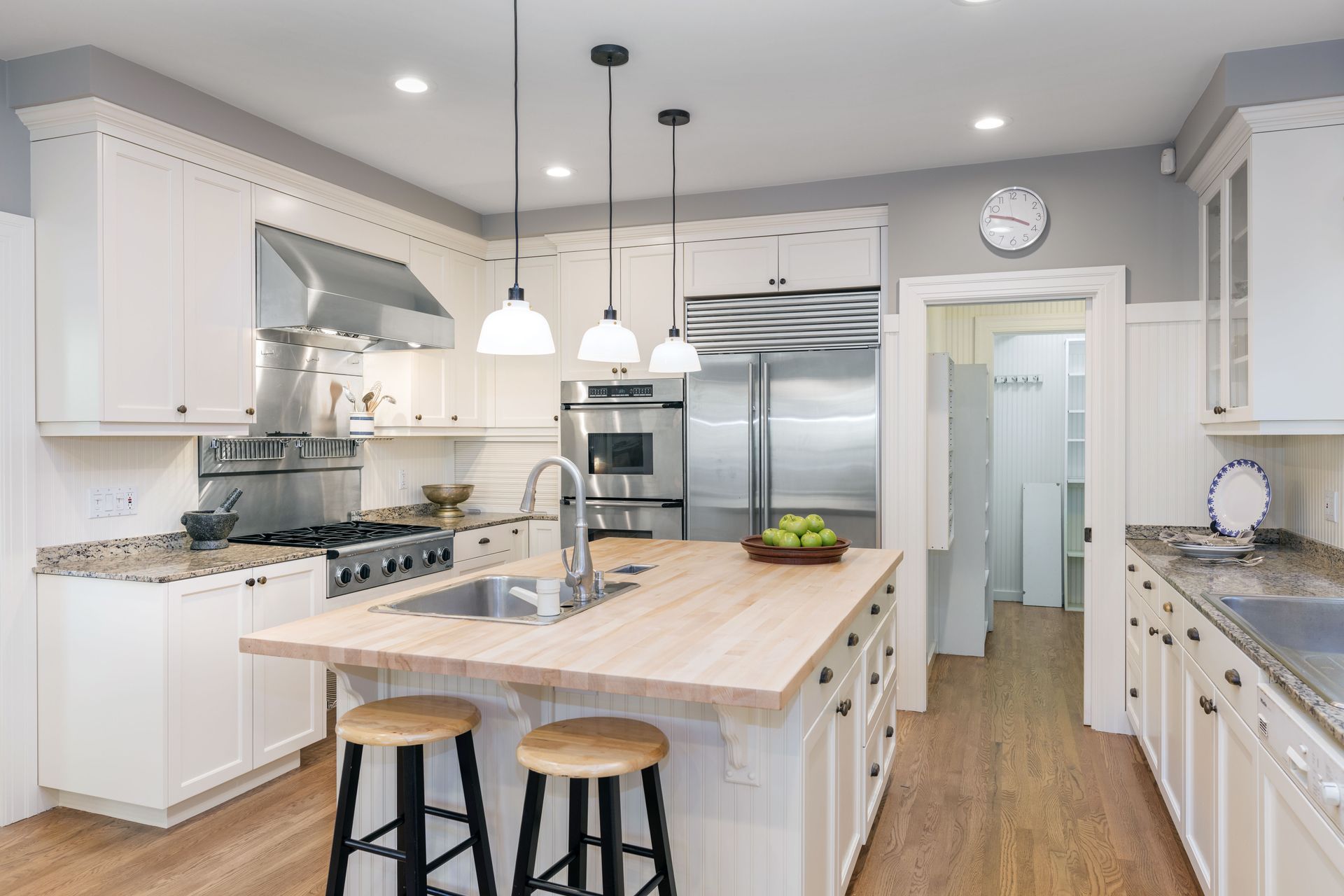
Color selection turns cabinetry into a powerful design focal point capable of reshaping spatial perception across the entire room. While crisp whites and soft grays remain dependable classics, rich tones such as navy blue, forest green, warm taupe, and earthy wood stains have become popular ways to inject depth, warmth, and character into modern kitchens. Lighter hues naturally brighten narrow galleys and low-ceilinged rooms, while darker shades anchor open-concept floor plans and oversized islands. Pairing two-tone upper and lower kitchen cabinets allows homeowners to embrace evolving color trends while preserving a balanced, timeless look that resists rapid visual fatigue over time.
4. Optimizing Storage and Spatial Efficiency
Beyond visual appeal, the primary practical purpose of kitchen cabinets is maximizing usable storage within a fixed footprint. Intelligent spatial planning eliminates dead zones by extending upper units to the ceiling, utilizing tall pantry cupboards, and incorporating deep under-sink compartments. Specialized corner solutions—such as blind-corner pull-outs and rotating lazy Susans—convert awkward recesses into easily accessible storage. Choosing between stock and custom configurations further shapes spatial efficiency: while stock options offer affordability and quick availability, custom builds tailor every inch around irregular dimensions, structural obstacles, and specific household routines without wasting valuable square footage in busy family kitchens.
5. Integrating Innovative Organizational Features
Modern cabinetry goes far beyond basic shelves by embedding purposeful organization directly into the joinery. Built-in spice pull-outs, vertical dividers for baking sheets, dedicated wine storage racks, and concealed waste and recycling centers streamline everyday meal preparation. Soft-close hinges and full-extension drawer glides prevent slamming while improving visibility into deep compartments, and integrated LED lighting illuminates dark interiors. Combining built-in hardware with drawer organizers, tiered shelving, and labeled containers keeps everyday cooking tools within easy reach, supporting an effortless kitchen workflow that minimizes countertop clutter, saves valuable preparation time, and reduces daily household stress.
6. Increasing Long-Term Property Value
High-quality kitchen cabinets represent one of the strongest value drivers in residential remodeling because prospective buyers immediately evaluate the kitchen when judging a home's overall condition and care. Real estate case studies consistently show that homes featuring upgraded, well-crafted cabinetry attract stronger offers and sell faster than comparable properties with dated millwork. Real estate agents frequently spotlight renovated storage, soft-close hardware, and durable joinery as premier selling features in marketing listings. Investing in timeless profiles and sturdy construction pays ongoing dividends through sustained home equity, stronger marketability, and fewer costly repair or replacement expenses over decades of ownership.
7. Aligning Design with Buyer Preferences
Even when renovating primarily for personal enjoyment, keeping broader buyer preferences in mind protects future resale flexibility. Today's homebuyers gravitate toward open-concept layouts, mixed materials, smart storage solutions, and eco-friendly finishes that feel both current and adaptable. Selecting flexible features—such as adjustable shelving, convertible pantry inserts, and versatile neutral foundations accented by distinctive island finishes or hardware—ensures the room appeals to a wide spectrum of household lifestyles. Incorporating dedicated charging drawers and concealed small-appliance stations also resonates strongly with modern families. By blending individualized convenience with universally attractive design fundamentals, homeowners create a welcoming kitchen that enriches current daily routines while remaining highly competitive on the local real estate market.
8. Promoting Sustainable and Eco-Friendly Practices
Environmental responsibility increasingly shapes how homeowners evaluate cabinetry across its entire lifecycle, from raw material sourcing to end-of-life disposal. Eco-conscious renovations begin with renewable or low-impact options such as bamboo, reclaimed wood, and certified recycled composites. Manufacturing practices matter equally, as non-toxic glues, low-VOC finishes, and carbon-neutral production protect indoor air quality and curb emissions. Integrated energy-efficient LED lighting and wood's natural insulating properties also trim household energy consumption, while choosing recyclable materials and donating salvageable kitchen cabinets to local architectural reuse centers keeps bulky construction debris out of landfills and supports circular building practices across the community.
9. Managing Renovation Budgets and Material Costs
Cabinetry frequently accounts for the largest single expense in a kitchen remodel, making disciplined financial planning essential from the outset. According to HomeGuide, experts recommend budgeting 5% to 15% of a home’s value for kitchen or basement renovations and 1% to 7% for bathrooms, bedrooms, or living rooms. Within that budget, materials, finishes, customization levels, and installation labor drive overall pricing—natural hardwoods and bespoke joinery command higher investments than stock composite units. Prioritizing premium doors and visible hardware while selecting economical interior box materials helps homeowners balance affordability with lasting quality for their kitchen cabinets, ensuring long-term financial satisfaction without sacrificing essential structural performance or everyday reliability.
10. Coordinating Installation Timelines and Contractor Workflows
Successful remodeling execution depends on seamless scheduling between cabinet delivery and surrounding construction trades. Whether homeowners choose pre-assembled or ready-to-assemble units, kitchen cabinets are typically installed after rough plumbing, electrical wiring, drywall, and finished flooring are complete, making accurate lead-time tracking essential to prevent costly bottlenecks. Close coordination with countertop fabricators ensures exact templating and level substrates, while building realistic buffer time into the schedule absorbs unexpected supply chain delays. Vetting experienced professionals through references, reviews, and portfolios guarantees precise installation, structural safety, and clean workflow integration from demolition through final trim. When you are ready to transform your kitchen with superior craftsmanship, thoughtful layout design, and dependable project management, contact Loti Contracting LLC today to schedule your remodeling consultation and bring your renovation vision to life.