November 18, 2026
The kitchen is one of the most frequently used spaces in a home, making its appearance, functionality, and overall layout important considerations for homeowners. Over time, cabinets may become outdated, countertops may show signs of wear, and existing layouts may no longer accommodate changing household needs. While minor updates can refresh certain features, they may not address the larger issues affecting the space.
Choosing between small improvements and a complete renovation requires considering both immediate needs and long-term goals. Although replacing a few fixtures or updating cabinet hardware can make a difference, a more comprehensive approach may provide greater opportunities to improve the kitchen's design and functionality.
In this article, we'll explore the advantages of choosing a full kitchen renovation over minor updates and explain how a comprehensive project can improve your home's appearance, functionality, and overall appeal.
1. Creating a More Functional Kitchen Layout
A kitchen should accommodate the way homeowners prepare meals, organize supplies, and spend time with others. However, an outdated layout can make everyday activities feel less convenient, particularly when storage areas, appliances, and workspaces are not arranged to support household needs.
Minor updates can improve individual features, but they generally leave the existing layout unchanged. A complete renovation provides an opportunity to reconsider the placement of cabinets, countertops, appliances, and other essential elements to create a more practical arrangement.
For example, homeowners may want additional counter space for food preparation or a better-organized area for storing frequently used kitchen supplies. Full renovations allow these preferences to become part of the overall design instead of requiring homeowners to work around existing limitations.
Another advantage is the ability to create a more cohesive environment. When the layout is planned as a whole, individual design elements can complement one another while supporting a more comfortable and organized cooking experience.
2. Improving Storage and Organization
Insufficient storage can make even an attractive kitchen difficult to maintain. When cabinets are poorly configured or available storage does not accommodate household belongings, countertops can quickly become crowded with cookware, appliances, and everyday essentials.
Minor improvements, such as installing additional organizers or replacing cabinet hardware, may help address smaller concerns. However, they may not provide enough flexibility when the existing cabinetry no longer meets the household's storage requirements.
A complete kitchen remodeling project gives homeowners the opportunity to rethink their storage solutions. New cabinetry, customized shelving, and thoughtfully designed drawers can help create designated spaces for different kitchen items while making everyday essentials easier to access.
Homeowners can also consider how their storage preferences influence the overall appearance of the room. For instance, incorporating cabinets that extend to the ceiling or adding specialized storage compartments can create a more streamlined look while making better use of the available space.
Improved organization can also make routine kitchen activities more enjoyable. When cookware, ingredients, and appliances have designated places, homeowners can maintain a cleaner environment and spend less time rearranging items during everyday tasks.
3. Achieving a Consistent Design Style
Updating individual kitchen features does not always create the cohesive appearance homeowners want. A new backsplash may look out of place beside older countertops, while recently painted cabinets may not complement existing flooring or appliances.
Full renovations allow homeowners to approach the design from a unified perspective. Instead of selecting individual improvements separately, they can choose colors, materials, finishes, and fixtures that work together throughout the room.
This approach is particularly useful for homeowners who want to move away from an outdated design. Replacing multiple elements during one project makes it easier to establish a consistent aesthetic that reflects their preferences.
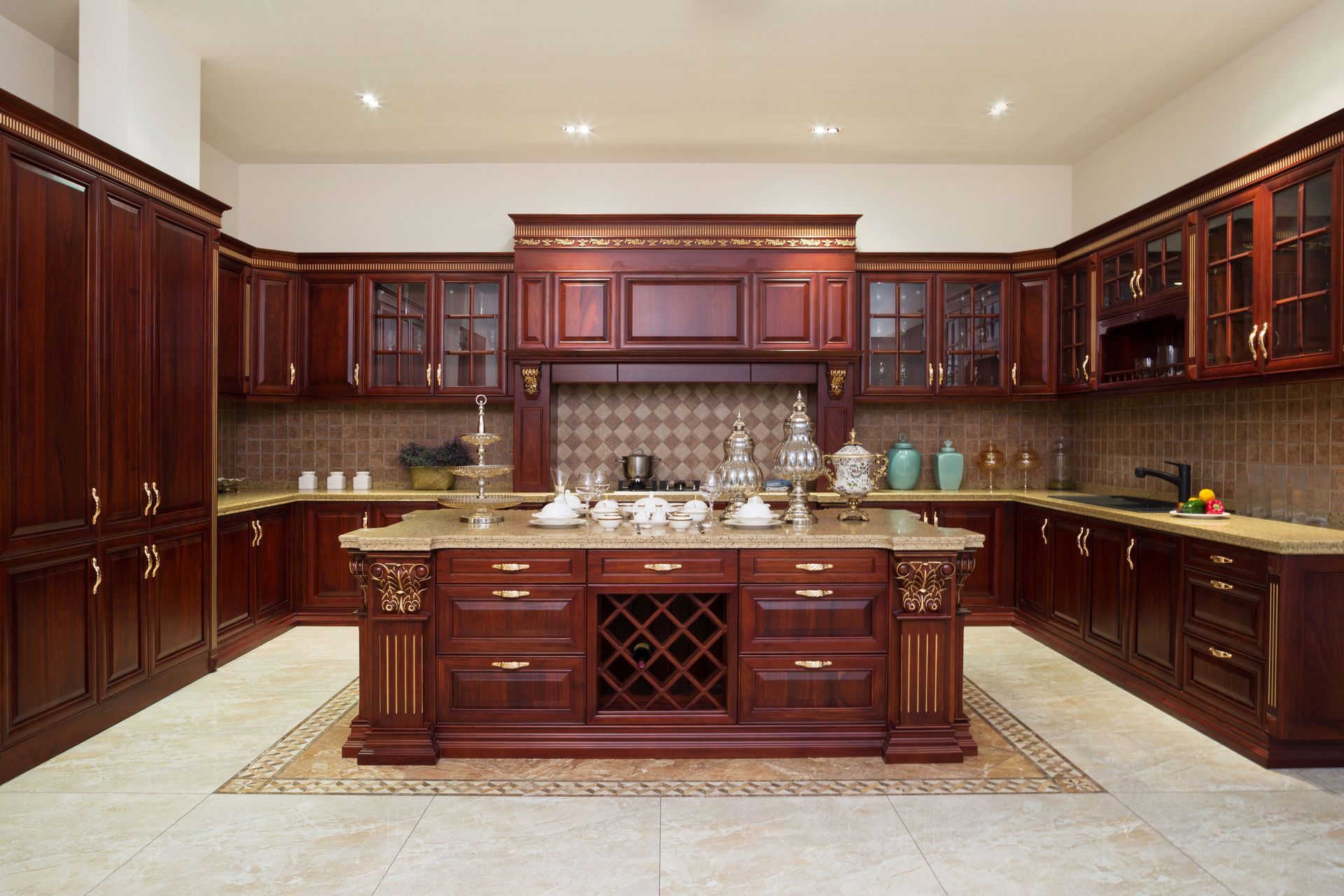
There is also more flexibility when selecting the overall design direction. Whether homeowners prefer a traditional kitchen, a contemporary appearance, or a transitional style, a comprehensive renovation provides the opportunity to coordinate the different features around that vision.
Lighting, cabinetry, countertops, flooring, and backsplashes can all contribute to the finished appearance. When these elements are selected with the same design goals in mind, the kitchen can feel more intentional rather than like a collection of unrelated updates.
4. Addressing Existing Problems at Once
Minor updates often focus on visible concerns without addressing the underlying issues affecting the kitchen. For example, replacing an outdated countertop may improve the room's appearance, but it will not resolve problems with surrounding cabinetry, damaged surfaces, or an inconvenient layout.
A complete renovation allows homeowners to evaluate the kitchen more thoroughly before selecting improvements. This creates an opportunity to identify areas that need attention and incorporate appropriate solutions into the project.
Depending on the condition of the space, homeowners may want to address worn cabinets, damaged flooring, outdated fixtures, or other elements that no longer meet their expectations. Considering these features together can help prevent the finished kitchen from retaining problems that were overlooked during smaller projects.
Another benefit is having a clearer understanding of the renovation's overall scope. Rather than repeatedly planning separate improvements, homeowners can work with kitchen remodeling professionals to establish a comprehensive plan that considers their priorities.
Taking this approach can also make the decision-making process more organized. With a defined project plan, homeowners can consider how different improvements relate to one another and determine which changes should be completed as part of the renovation.
5. Increasing Home Value and Appeal
The condition and appearance of a kitchen can influence how homeowners feel about their property. An outdated or poorly maintained space may not reflect the rest of the home's design, making a comprehensive renovation an appealing option for those interested in improving their property's overall presentation.
According to HomeGuide, homeowners who invest in kitchen improvements can potentially recover between 54% and 80% of their renovation costs through increased property value. This makes a full renovation worth considering for homeowners who want to improve their living space while also thinking about their property's long-term appeal.
A coordinated renovation can create a more attractive environment by bringing together updated cabinetry, countertops, flooring, lighting, and other design features. These improvements can help give the kitchen a refreshed appearance that complements the rest of the home.
A full renovation may also allow homeowners to make design choices that appeal to a broader range of preferences. Selecting complementary materials and maintaining a cohesive style can help create a finished space that feels inviting and thoughtfully designed.
Beyond potential resale considerations, homeowners can enjoy the improvements themselves. A more attractive kitchen can make everyday activities more pleasant while giving the home an updated appearance that reflects the owner's style.
6. Customizing the Space Around Your Needs
Every household uses its kitchen differently, which means a design that works well for one homeowner may not be suitable for another. Some people prioritize generous food preparation areas, while others want additional seating, specialized storage, or more room for entertaining.
Minor updates typically offer limited opportunities to personalize the entire space. Although homeowners can replace certain fixtures or introduce decorative features, they may still be restricted by the existing cabinetry, layout, and overall configuration.
A complete renovation provides greater flexibility to develop a design around specific household preferences. Homeowners can discuss their priorities with kitchen remodeling professionals and determine which features should be included in the finished space.
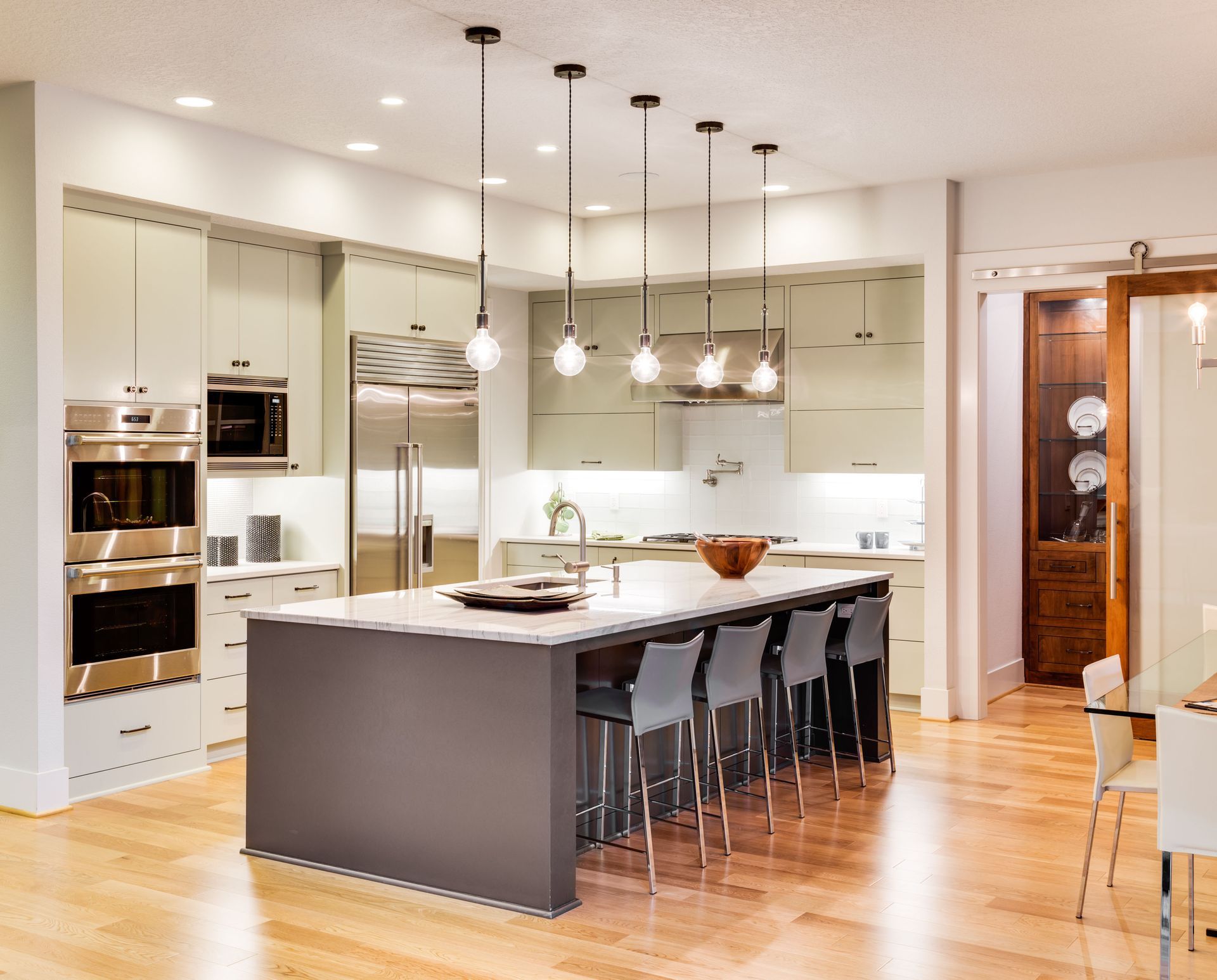
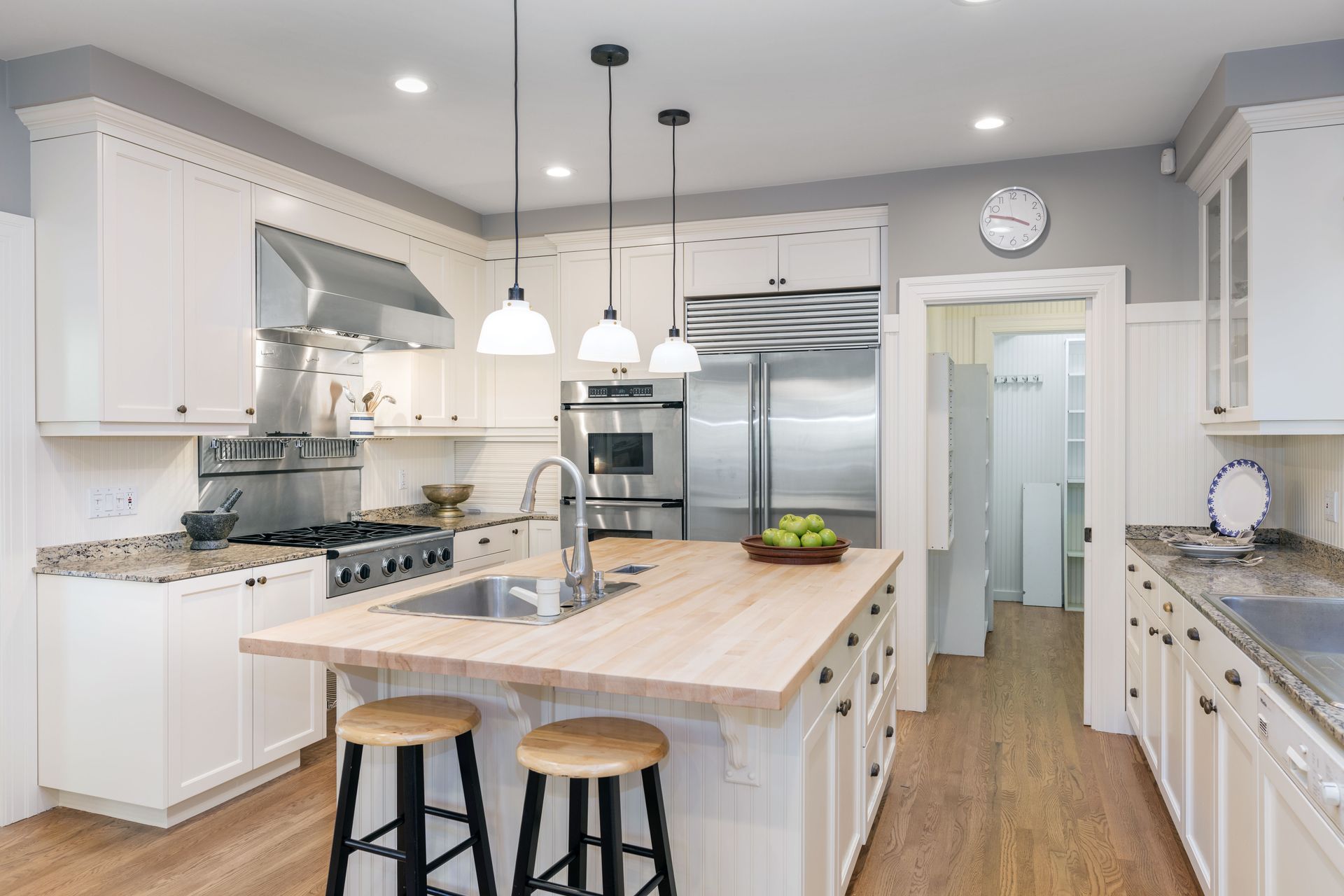
For example, someone who enjoys cooking may prioritize spacious countertops and accessible storage for kitchen equipment. Meanwhile, homeowners who frequently entertain guests may prefer an island with additional seating and an open arrangement that makes it easier to interact with others.
Ready to transform your outdated kitchen into a space that better suits your lifestyle? Contact Loti Contracting LLC today to discuss your ideas and start planning your renovation!